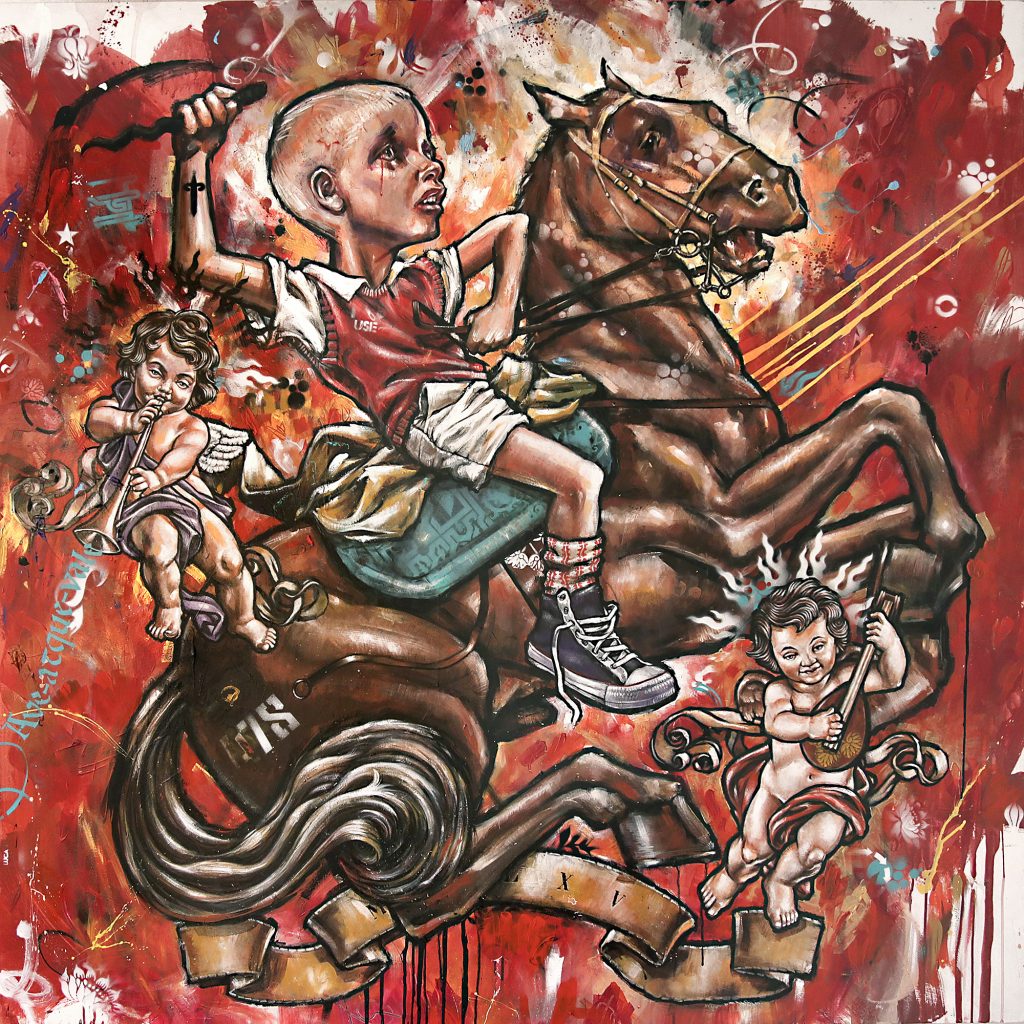
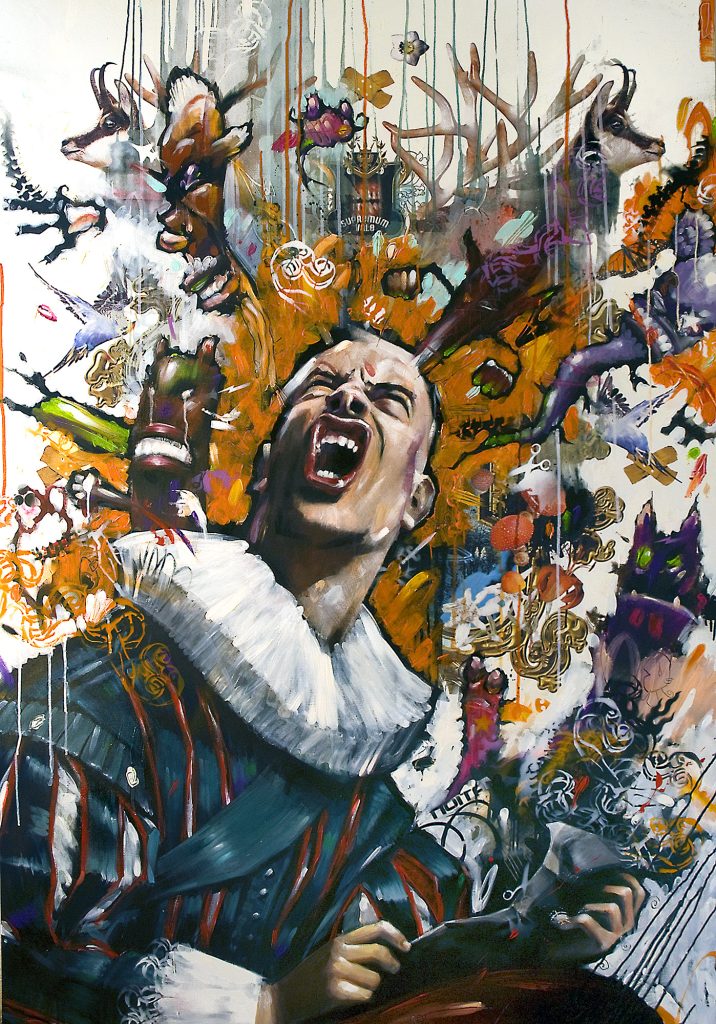
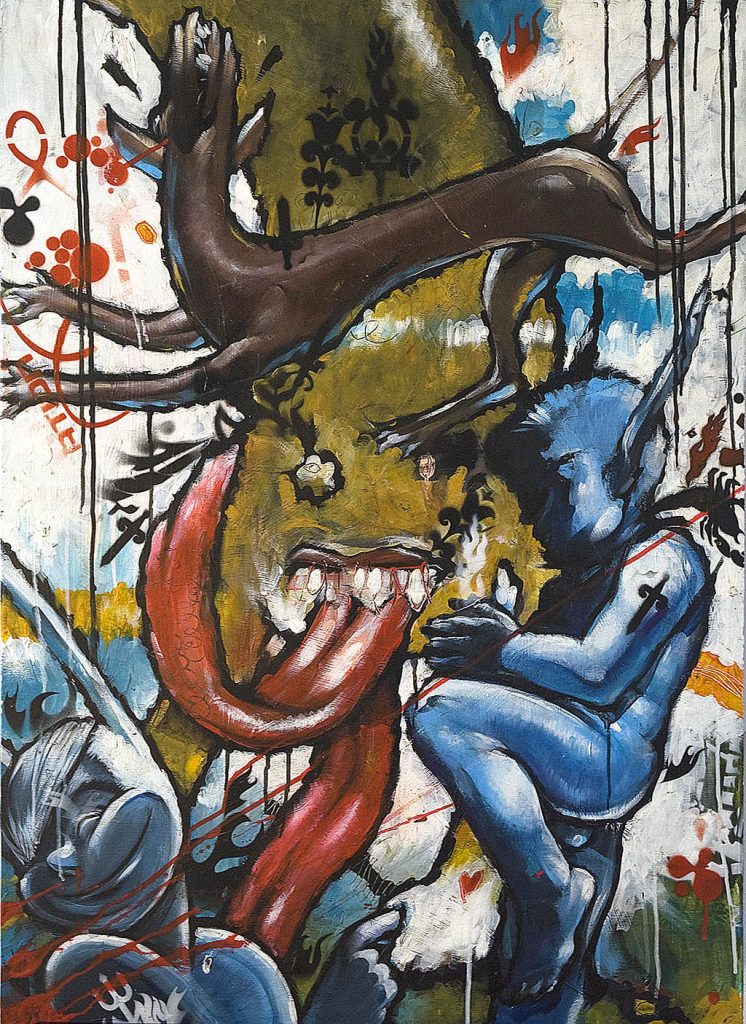
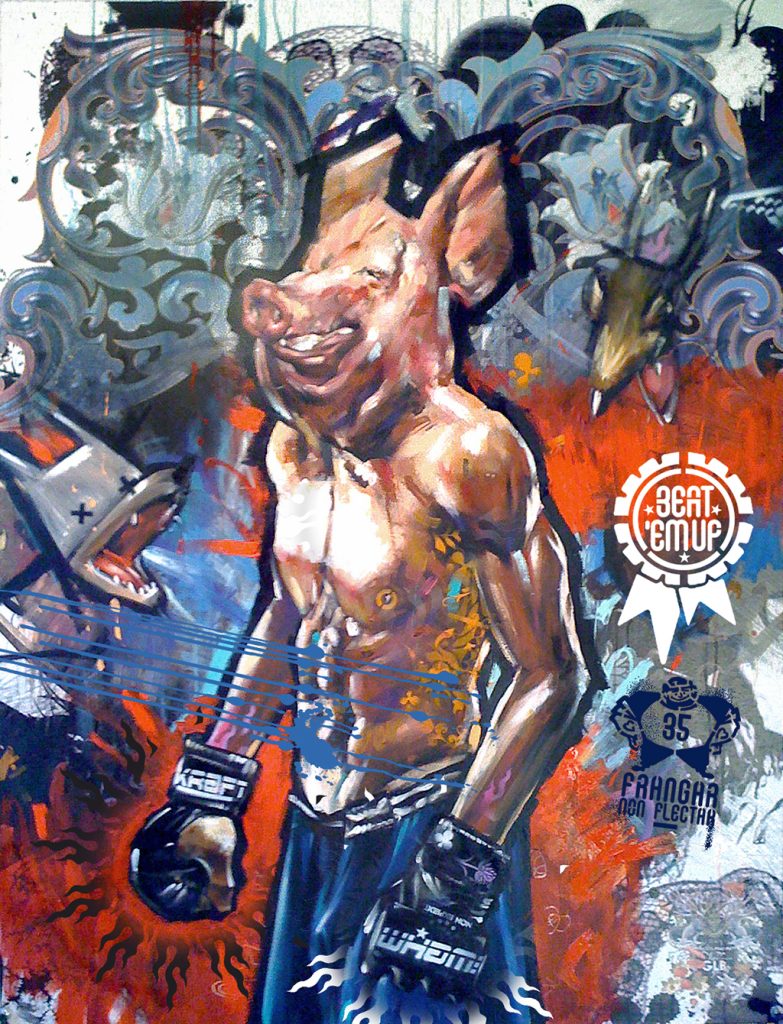
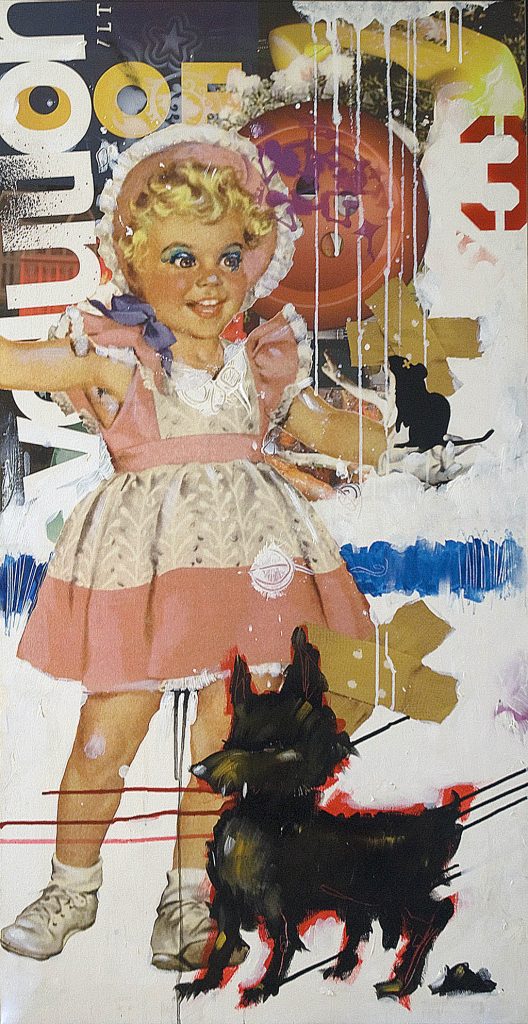
It’s been many years since I last brushed a canvas with a paintbrush. And yet, stubbornly, in the quiet of my thoughts, I still call myself a painter. It’s a word that still belongs to me, like a secret name. I graduated in Painting from the Academy of Fine Arts in Bologna and, for a long time, I pursued the dream of making painting my life. And to some extent, I succeeded: for a while, it was painting that sustained me—body and soul. My thirties were a time of deep exploration—a chapter in which painting was both my horizon and my voice. After an intense and formative period in Berlin—one I left the night before the historic fall of the Wall—my devotion to painting only deepened.
I have always believed that a true painter must have a sanctuary: a physical and mental space where fragments of the world can be gathered, reassembled, transformed, and illuminated anew through the lens of painting. And for me, it was exactly so.
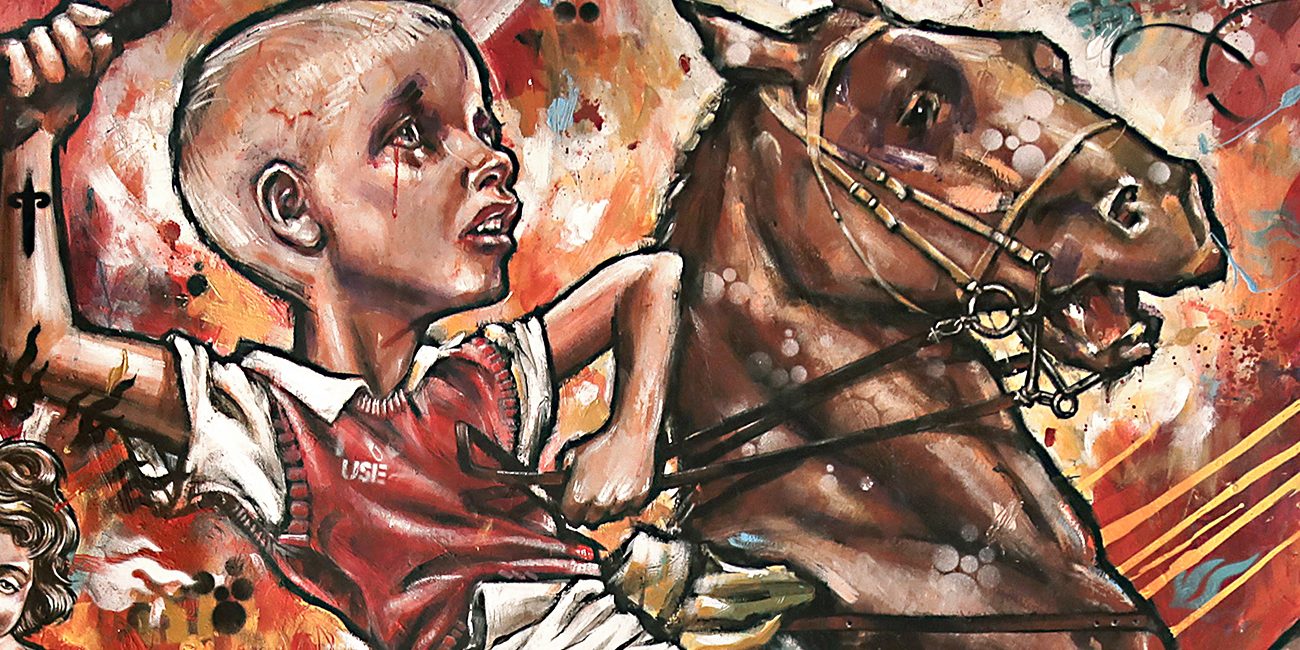
Over the years, I inhabited many studios, each with its own distinct soul. From the damp, dream-laden basement on Via Fondazza, to the vast, echoing halls of a former tobacco-drying facility near Medicina, which I shared with my friend Nils Gunzenhauser; and finally, to the cherished atelier on Via San Rocco in Bologna, where I worked side by side with Massimo Paganini—fellow artist and brother in spirit. Within those walls, paintings, projects, and objects transformed into visual poetry came to life. They accompanied me in exhibitions that I still hold dear: Action One, in Karachi with Massimo, in 2009; the show in the old lighthouse of the Marseille harbor; Dreizehn, at Galleria Nera in Bologna; and, over a decade later, Nadsat, at the Municipal Gallery of Pavullo, amidst the mists of the Modenese Apennines.
Der Ritter ohne Tränen
Addio per sempre
VAE VICTIS
Palindrome
LE MIROIR QUI REVIENT
JEUX DANGEREUX
VERITAS
THE RISE OF LOGOS
Costretto Volli
Self
Dyptique
Sri Lakshmi
Challenger
UNGUIBUS ET ROSTRO
CITIZEN
LE GARÇON AVEC LES MOUCHES DANS LES JEUX
DIE SCHWEBENDEN
Watchdog
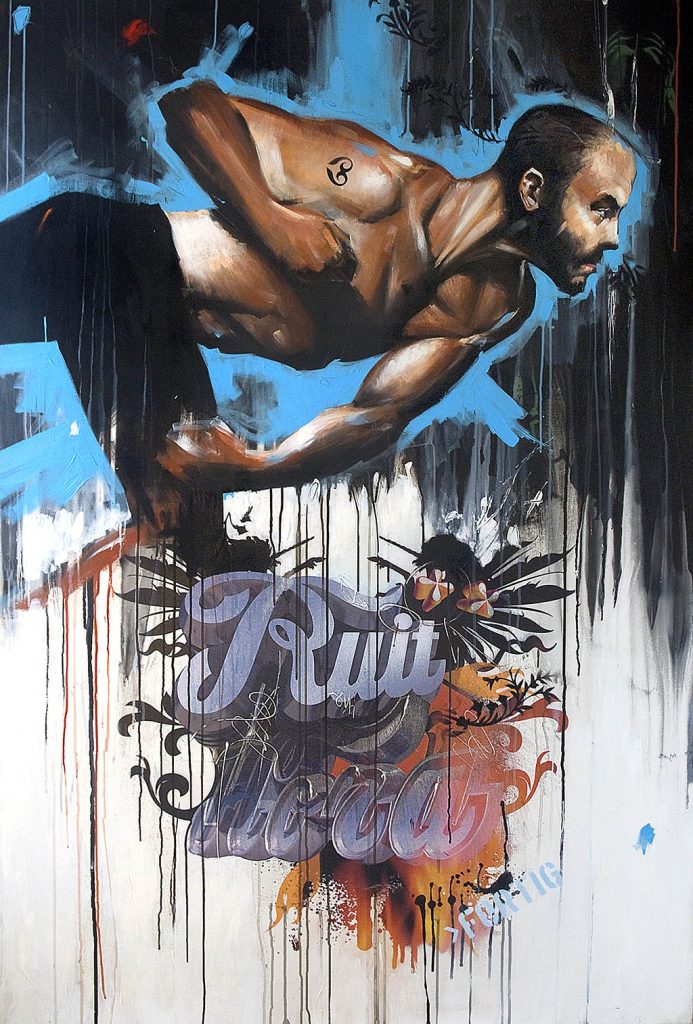
Ruit Hora
palindromo cover
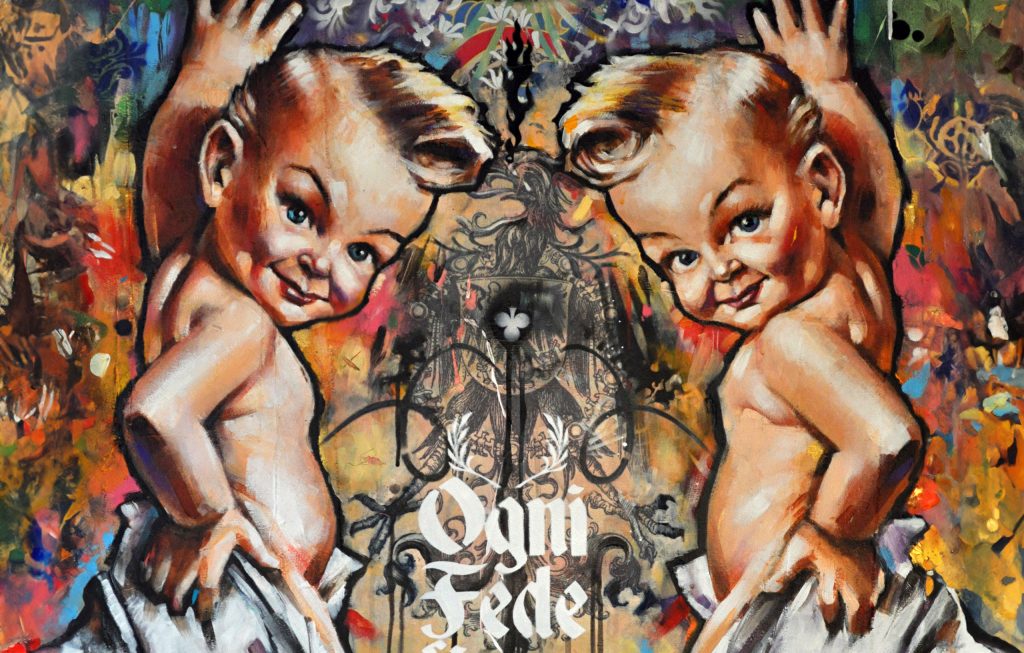
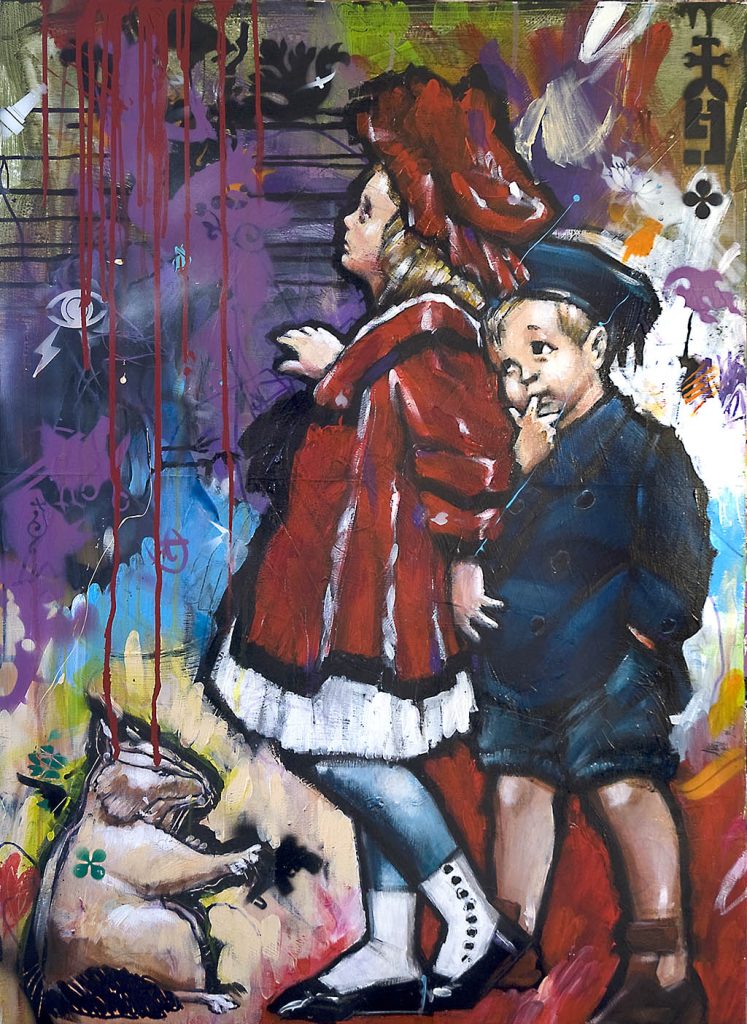
H&G
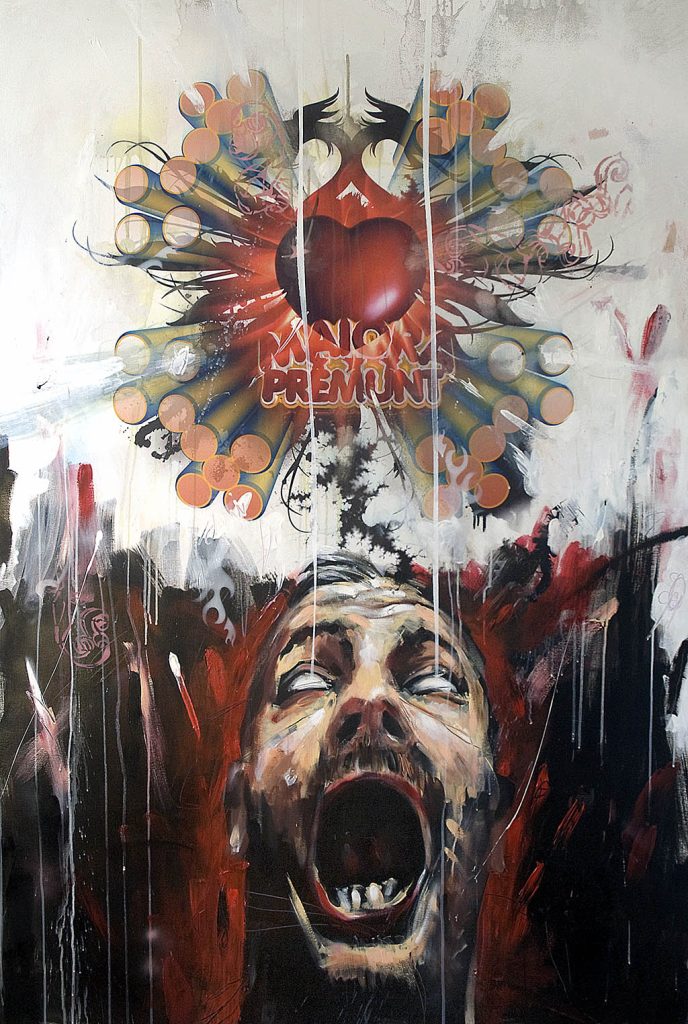
Maiora Premunt
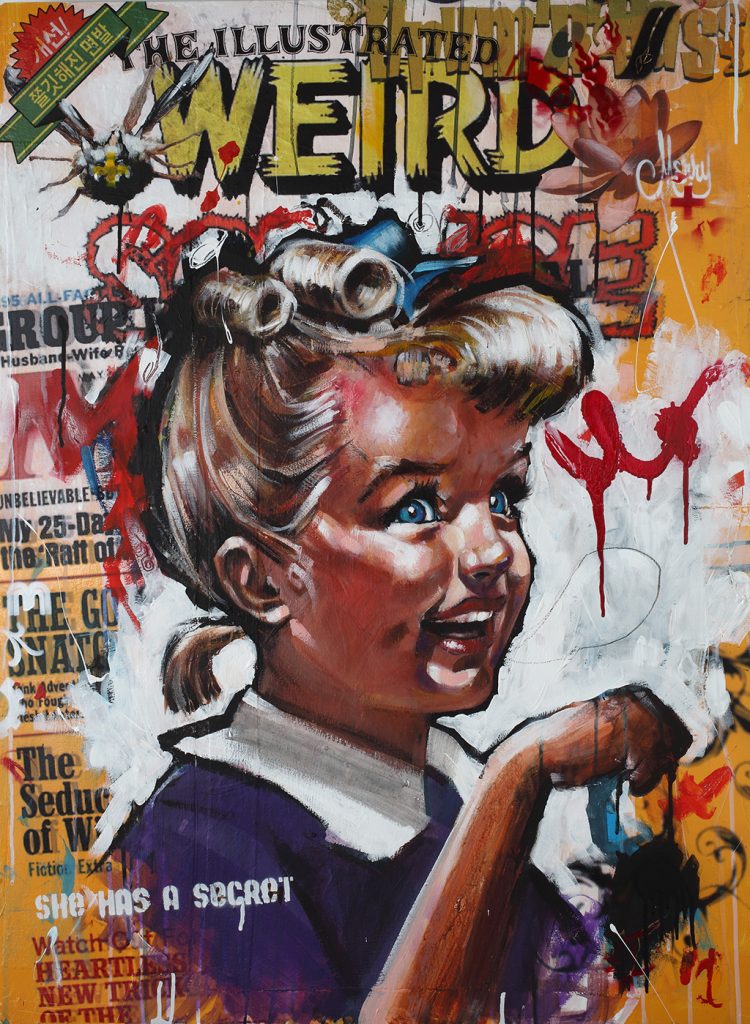
She has a secret
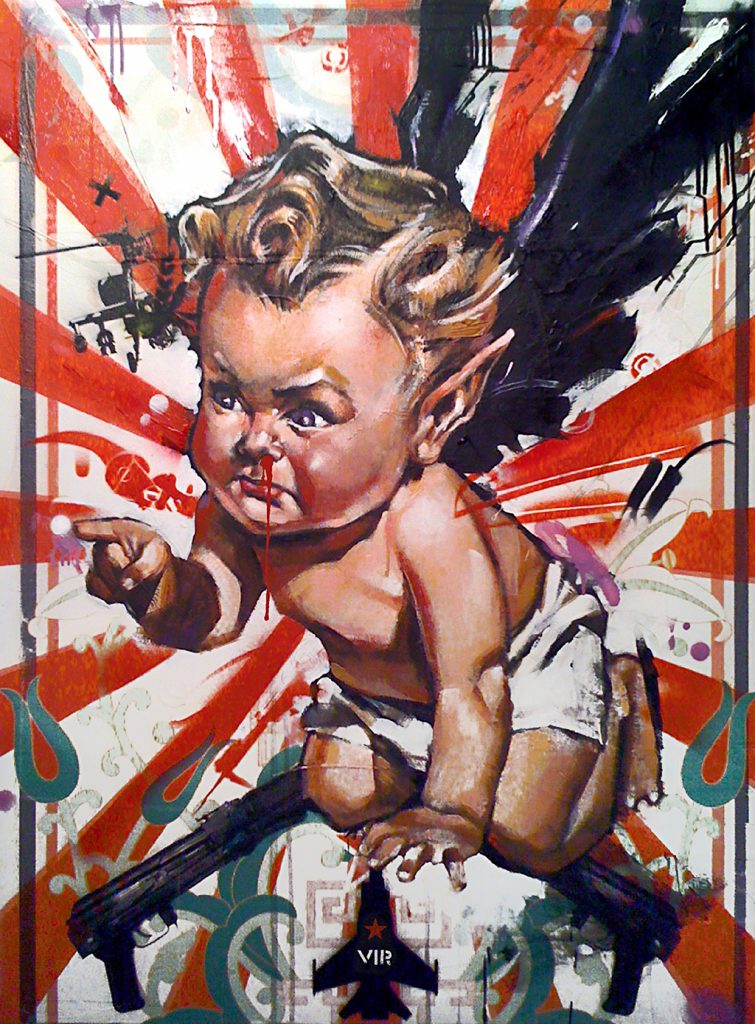
Bleeding Icarus
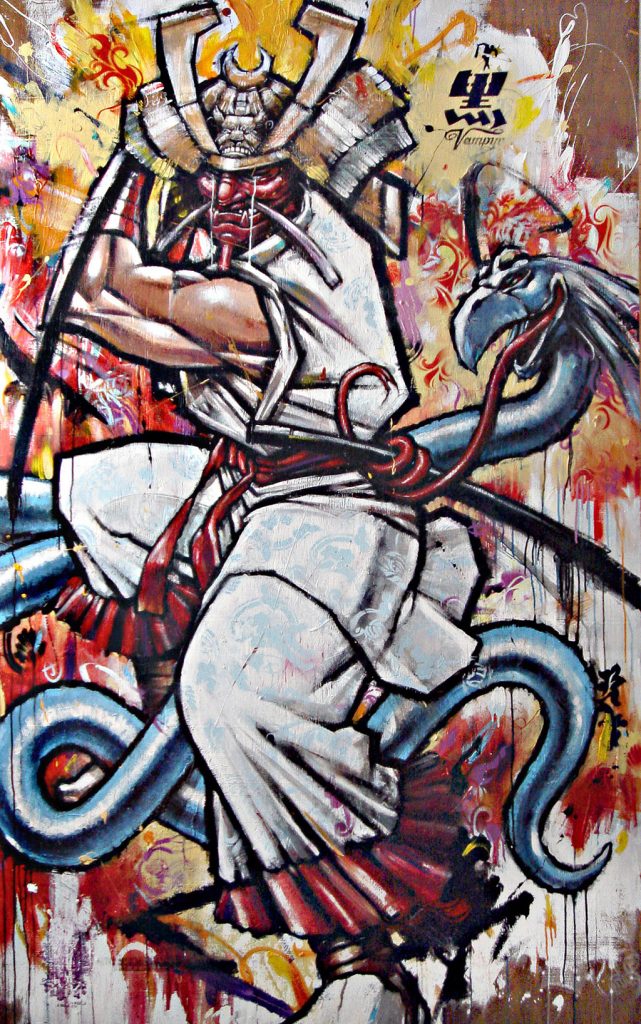
Mori Shin
And one bright day, I shall return to you
A Life in Studios, Silence, and Color
Then, new paths unfolded: digital technologies, the allure of graphic design, and other languages slowly drew me away from painting. I never truly abandoned it, but today it occupies a more private, almost hidden place in my life—a place I return to when I need to breathe again.
Yet there remains a sensation that no other medium has ever given me: that subtle, dizzying jolt when brushstrokes begin to vibrate, when forms and objects on the surface come alive with meaning, presence, and truth. It is a vertigo one never forgets. Today, my life has taken other directions—teaching, visual design, artificial intelligence—but I know that one day I will return to her. To painting. To the source. To the place where it all began.